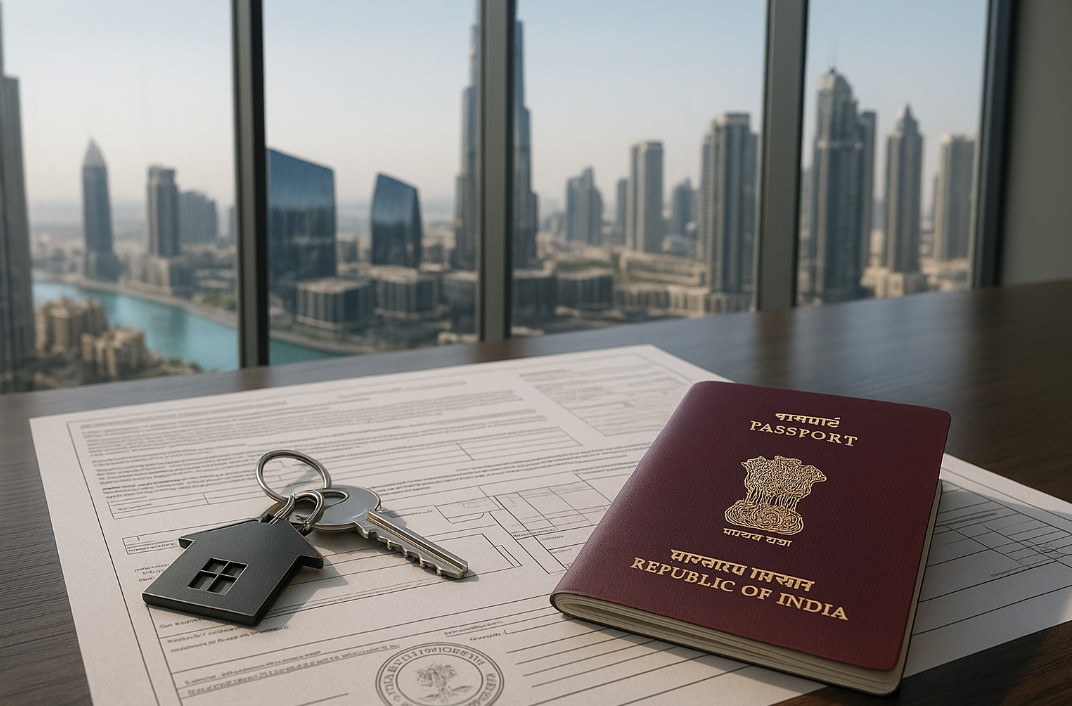

Can Indian Citizens Buy Property in Dubai? The Complete Guide
Can Indian citizens really buy property in Dubai ? Absolutely and more are doing it every year. With Dubai’s zero property tax, sky-high rental yields, and luxury living, Indians have become the largest group of foreign investors in the city’s real estate market. In fact, Indians accounted for nearly 20% of all foreign property transactions in Dubai last year.
But what are the rules, benefits, and steps for Indian buyers? This complete guide cuts through the confusion with up-to-date answers on eligibility, legal requirements, Golden Visa, finance, and more so you can invest confidently and safely in Dubai, whether for a dream home or smart rental income.
Can Indian Citizens Buy Property in Dubai?
Yes, Indian citizens including residents, NRIs (Non-Resident Indians), PIOs (Persons of Indian Origin), and OCIs (Overseas Citizens of India) are eligible to buy property in Dubai’s designated freehold zones. You do not need a UAE residency visa to purchase property.
At a Glance: Who Can Buy?
- Any Indian citizen age 21 or older (including NRIs, PIOs, OCIs)
- No requirement for UAE residency or local sponsor
- Joint ownership allowed (up to 4 people on the title deed)
- Buy for self-use, investment, or rental income
Key Documents Required
- Valid Indian passport (of all buyers)
- PAN card (for Indian tax compliance)
- Proof of funds/financial capacity
- Power of Attorney (if you’re buying remotely)
Freehold vs Leasehold Properties in Dubai: What Indian Buyers Need to Know
Dubai offers two main types of property ownership to foreigners, including Indian citizens: freehold and leasehold.
Freehold Property
- You own the property and the land it stands on forever.
- Full rights to sell, rent out, bequeath, or gift the property as you wish.
- Most Indian buyers choose freehold areas like Downtown Dubai, Dubai Marina, Palm Jumeirah, and Business Bay for long-term investment and family inheritance.
- No restrictions on resale to other foreigners or locals.
Leasehold Property
- You lease the property from the developer or landowner for a period (typically 30–99 years).
- You may use, rent out, or sell your leasehold interest during the lease term, but do not own the land.
- Often more affordable; popular for holiday homes or long-term rentals.
- At the end of the lease, ownership reverts to the freeholder—renewal may or may not be possible.
Why Indian Investors Prefer Dubai Real Estate?
Dubai continues to attract Indian investors for several compelling reasons financial, lifestyle, and long-term opportunity:
- Higher rental yields: Dubai properties offer 6–9% rental yields, compared to just 2–4% in Mumbai or Delhi (Source: Gulf News, 2024).
- No annual property tax or wealth tax: Enjoy only one-time registration and service fees, maximizing your ROI.
- Safe, transparent legal environment: Dubai’s property laws favor foreign buyers, with strong investor protections.
- Large and growing Indian community: Over 3 million Indians live and work in the UAE, with dedicated Indian schools, restaurants, and cultural centers.
- Golden Visa opportunity: Invest AED 2 million+ (about INR 4.5 crore) in property and qualify for a 10-year renewable residency for your entire family.
- World-class lifestyle: Access to international schools, modern hospitals, luxury shopping, and leisure—all in a globally connected city.
- Easy travel: Frequent direct flights; less than 4 hours from most Indian cities.
Best Areas in Dubai for Indian Property Buyers
Choosing the right neighborhood is key for both investment and lifestyle. These Dubai hotspots stand out for Indian buyers:
- Downtown Dubai
Boasting rental yields of 8–10%, Downtown puts you at the heart of the action with the Burj Khalifa, Dubai Mall, and lively dining and nightlife. Its central location and strong resale value make it a top choice for Indian professionals and families seeking a cosmopolitan lifestyle. - Palm Jumeirah & Palm Jebel Ali
These iconic waterfront communities are synonymous with luxury living. Villas and apartments here offer private beaches, world-class amenities, and premium appreciation—perfect for those looking to invest in a statement property or a second home in Dubai. - Business Bay
Known for its high demand in both residential and commercial segments, Business Bay attracts investors targeting robust rental income. The area’s proximity to Downtown, modern infrastructure, and lively business environment appeal to Indian entrepreneurs and young families alike. - Jumeirah Lake Towers (JLT), Sobha Hartland, Azizi Riviera
These neighborhoods combine affordability with convenience, offering a variety of property types suitable for first-time buyers. Indian families value the easy access to schools, temples, and parks, while investors appreciate the consistent demand and potential for long-term growth.
Emerging areas such as Dubai Creek Harbour and Mohammed Bin Rashid City are also on the radar, with off-plan projects offering significant appreciation potential and family-friendly master plans.
Golden Visa: Residency Advantages for Indian Buyers
Dubai’s Golden Visa program offers long-term UAE residency for foreign investors—including Indian citizens. By purchasing property worth AED 2 million or more (about INR 4.5 crore), you and your family can secure a 10-year, renewable residency visa.
How to Qualify via Property Investment:
- Purchase property in Dubai with a total value of at least AED 2 million (can be multiple units, off-plan or ready).
- Complete your purchase and obtain the title deed.
- Submit your application with supporting documents (passport, property deed, proof of investment).
Key Benefits for Indian Buyers:
- Live, work, and study anywhere in the UAE—no local sponsor required.
- Sponsor your spouse, children, and domestic staff under your visa.
- Full access to UAE schools, universities, and healthcare.
- Freedom to travel in and out of the country.
- Option to renew every 10 years, as long as you retain qualifying property.
Alternative Golden Visa Routes for Indian Citizens:
Dubai’s Golden Visa isn’t limited to property buyers. You may also be eligible for 10-year residency by:
- Making a business investment of AED 10 million or more (can be in a company or an investment fund).
- Holding a UAE-based job with a minimum monthly salary of AED 12,000 (professional/employment-based route).
These alternative pathways are ideal if you’re planning to expand your business, invest in a UAE startup, or relocate for career growth.
Legal Requirements for Indian Citizens Buying Property in Dubai
Indian buyers enjoy an open and transparent process in Dubai—but it’s crucial to follow legal and compliance requirements to protect your investment:
Where You Can Buy
- Only purchase in designated freehold zones such as Downtown Dubai, Dubai Marina, Palm Jumeirah, Jumeirah Lake Towers (JLT), and similar areas. Check the current freehold zones at the Dubai Land Department.
Who to Deal With
- Work exclusively with RERA-registered agents or developers.
Verify credentials using the Dubai Land Department’s RERA portal.
Payment and Financial Security
- For off-plan properties, always use escrow accounts your money is protected until construction milestones are met.
- Ensure all agreements and payments are documented through official channels.
Essential Documents
- Valid Indian passport (for all buyers)
- PAN card (for Indian tax compliance)
- Proof of address and funds
- Power of Attorney (if purchasing remotely)
- Home loan approval letter (if applicable)
Quick Compliance Checklist
- Use digital services or Power of Attorney if you can’t be physically present in Dubai.
- Double-check FEMA and RBI rules for remitting money abroad.
- Maintain records of all payments, documents, and communications.
Step-by-Step Guide: How Indians Can Buy Property in Dubai
Buying property in Dubai from India is straightforward if you follow these key steps:
- Research and Shortlist
- Define your purpose: primary home, investment, or rental income.
- Browse reputable Dubai property portals or consult RERA-registered agents for the latest listings.
- Shortlist properties in freehold zones based on budget, location, and investment goals.
- Verify Agent or Developer
- Ensure you’re working with a RERA-registered real estate agent or developer.
- Pro Tip: Always verify credentials via the Dubai Land Department’s RERA portal.
- Book and Sign MoU
- Reserve your chosen property by signing a Memorandum of Understanding (MoU) and paying a booking deposit (typically 5–10% of the property price).
- This locks in your property while legal checks are performed.
- Due Diligence
- Conduct thorough checks on the property title, developer’s track record, and (for off-plan) the escrow account status.
- If unsure, consider hiring a local lawyer or consultant.
- Arrange Finances
- Transfer your own funds under RBI’s Liberalised Remittance Scheme (LRS), apply for a UAE mortgage, or use a developer payment plan for off-plan purchases.
- Plan for the required down payment (often 40–50% for non-resident mortgages).
- Complete Payments and Fees
- Pay government and transaction fees: Dubai Land Department (DLD) fee (4%), agent commission (2%), NOC charges, Oqood fee (for off-plan), mortgage registration (if applicable), and annual service charges.
- Transfer Title & Take Possession
- Finalize all paperwork at the Dubai Land Department office or via Power of Attorney.
- Receive your title deed and collect the keys to your new property!
Most steps can be completed remotely with a properly notarized Power of Attorney—making it easy for Indian buyers to purchase Dubai property without repeated travel.
Finance Options for Indian Buyers Purchasing Property in Dubai
Dubai makes it easy for Indian buyers to arrange finance—whether you’re using your own funds, a local mortgage, or developer payment plans. Here’s how each option works:
1. RBI’s Liberalised Remittance Scheme (LRS)
- You can remit up to USD 250,000 (about INR 2 crore) per person, per financial year from India for overseas property purchase.
- For properties priced above this limit, many buyers purchase jointly with family members or split payments across multiple years.
- All transactions must comply with RBI and FEMA regulations—maintain clear documentation of fund transfers.
2. UAE Mortgages for Non-Residents
- Many leading Dubai banks (such as Emirates NBD, Mashreq, and ADCB) offer home loans to Indian citizens.
- Up to 50–60% of the property’s value can be financed for non-residents.
- Minimum down payment: 40–50% of the property price (budget for at least 50% as an Indian buyer).
- Interest rates: Typically range from 3.5–5% per annum.
- Loan tenure: Up to 25 years, though often shorter for non-residents.
3. Developer Payment Plans
- Ideal for off-plan properties: Pay in instalments over 2–5 years, sometimes with zero interest for early buyers.
- Offers flexibility for buyers who want to spread payments and minimize upfront cost.
- Always check the developer’s reputation and escrow protections before committing.
Monitor exchange rates and consider transferring funds when the INR is strong against AED to maximize your buying power.
Ready, Off-Plan, and Fractional Ownership: Dubai Property Choices for Indian Buyers
Dubai’s real estate market welcomes Indian buyers with three main paths to ownership, each offering a unique strategy for different goals and budgets:
Ready Properties
For those who want to step straight into Dubai living or start earning rental income immediately, ready properties are the classic choice. You receive the keys upon purchase, with no waiting period or construction risk. This makes them especially attractive to families relocating, business professionals, or investors who don’t want to delay returns. While the upfront cost is usually higher, the certainty of instant ownership brings peace of mind.
Off-Plan Properties
Off-plan properties sold before they’re built—are gaining popularity among Indian investors. These offer a lower entry price and the flexibility of staged payments over two to five years. Savvy buyers often use off-plan as a way to maximise appreciation, as values typically rise by the time construction completes. However, it’s vital to stick to projects by RERA-approved developers to ensure your money is protected through escrow accounts. This route is perfect for buyers who don’t mind waiting a few years and are aiming for higher long-term gains.
Fractional Ownership
For those seeking a more accessible entry point or to diversify risk, fractional ownership is emerging as an innovative option. Here, you co-own a share of a premium property—sometimes for as little as AED 100,000. Rental income and expenses are divided among all co-owners. It’s a smart solution for first-time investors, young professionals, or anyone looking to participate in Dubai’s luxury real estate market without committing to a single, large purchase. However, fractional ownership models and exit options vary widely, so review the agreement carefully.
Each of these paths offers a different balance of immediacy, investment potential, and flexibility. Whether you’re looking for a move-in-ready family apartment, a high-growth off-plan project, or an affordable share in a luxury building, Dubai’s market has something for every Indian buyer.
Mistakes to Avoid
- Skipping Agent Verification: Always use a RERA-registered professional.
- Rushing Into Off-Plan Without Research: Check developer credentials and escrow setup.
- Ignoring Hidden Costs: Budget for all fees—DLD, agent, NOC, Oqood, service charges.
- Poor Currency Planning: Transfer funds when INR is favorable, not in a rush.
- Neglecting Rental Management: If you’re overseas, use a property manager.
- Non-compliance with RBI/FEMA: Document all funds and income for hassle-free repatriation.
- Overstretching Budget: Allow for emergencies and fluctuations; don’t invest every rupee.
Tips for Indian Buyers
- Negotiate confidently:
Many developers offer discounts, free service charges, or upgrades—don’t hesitate to ask. - Time your purchase:
Property expos and the summer season often feature exclusive deals and incentives. - Simplify with Power of Attorney:
If you’re outside Dubai, a Power of Attorney lets you complete most steps remotely and hassle-free.
Managing Currency Risk When Buying Property in Dubai
Indian buyers should watch currency rates closely—property prices are in AED, while your funds are in INR. Even a small change in the exchange rate can raise your total cost.
Smart ways to manage risk:
- Use developer payment plans to split payments, reducing exposure to sudden rate changes.
- Monitor INR/AED rates and transfer funds when rates are favorable.
- Ask your bank about hedging options or fixed-rate transfers if sending large sums.
Conclusion
We hope this guide has answered your biggest questions about buying property in Dubai as an Indian citizen. Whether you’re looking for a smart investment, a new home, or a secure place for your family’s future, Dubai’s real estate market offers outstanding opportunities and strong protections for Indian buyers.
If you’re ready to take the next step or simply want more personalized advice, our experienced team is here to support you every step of the way. Feel free to reach us , your Dubai property investment journey can start with just one conversation.