
Palm Jebel Ali vs Palm Jumeirah: What’s Different and Where to Invest?
Dubai’s palm shaped islands are more than global landmarks, they represent two distinct visions of luxury living and real estate potential. With Palm Jebel Ali re-entering the spotlight after its bold relaunch, buyers and investors are now comparing it closely with the already iconic Palm Jumeirah.
If you’re trying to decide where to invest or buy your next home, this detailed breakdown will help you understand the unique character, lifestyle offerings, and investment outlook of each palm.
Palm Jumeirah: The Legacy of Luxury
Since its completion in 2006, Palm Jumeirah has been a global symbol of high-end waterfront living. It was the first of its kind—an engineering feat that captured attention with its shape, scale, and promise of an exclusive lifestyle.
Today, it delivers on that promise. From its luxury villas on the fronds to its premium apartments and resorts along the trunk and crescent, Palm Jumeirah is home to both elite residents and global visitors. Locations like Atlantis The Palm, Club Vista Mare, and Nakheel Mall offer everything from fine dining to vibrant nightlife, making the island an all-in-one lifestyle hub.
Its central location, seamless road access, and operational monorail make commuting and connectivity hassle-free. For investors, Palm Jumeirah offers stability, prestige, and strong year-round rental demand.
Palm Jebel Ali: Dubai’s Reimagined Coastal Vision
Once paused due to economic headwinds, Palm Jebel Ali has returned with a refreshed vision for the future. Relaunched in 2023 by Nakheel, this coastal development is part of Dubai’s long-term growth blueprint under the 2040 Urban Master Plan.
But it’s not just about scale. The new Palm Jebel Ali is designed around sustainability, smart infrastructure, and open living. From water-efficient systems and solar-powered amenities to traffic-reducing layouts and walkable zones, it’s being built with modern lifestyles in mind.
The vision introduces never-before-seen concepts in Dubai, such as overwater living, wellness-led spaces, and smart beachfront communities. With handovers expected from 2027 onwards, buyers have a chance to be part of this bold new chapter in Dubai’s coastal expansion.
Development History and Relaunch Momentum
Palm Jebel Ali was originally launched in the early 2000s but halted due to the global financial crisis. After over a decade of dormancy, the project was revisited, redesigned, and officially revived in 2023 with investor settlements, updated planning, and fresh capital.
This revival isn’t just symbolic—it reflects the emirate’s broader shift toward low-density, high-quality urban expansion. Unlike the urgency of past developments, this new rollout is more strategic, phased, and guided by environmental responsibility.
Size and Master Plan Comparison
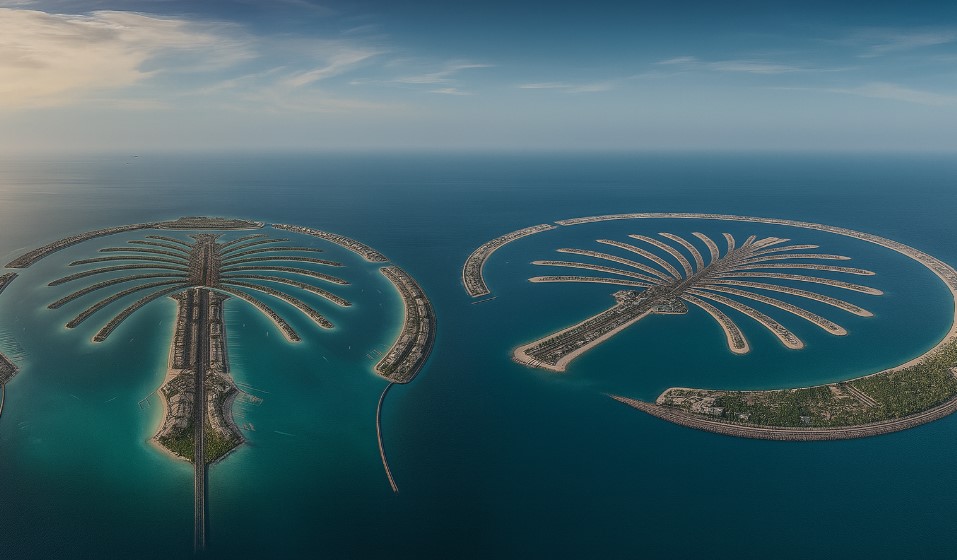
One of the most noticeable differences between Palm Jebel Ali and Palm Jumeirah lies in their physical size and layout philosophy. Palm Jebel Ali spans a staggering 13.4 square kilometers—making it nearly twice as large as Palm Jumeirah. This extra space gives it the flexibility to host a wider range of residential, commercial, and leisure zones.
The master plan for Palm Jebel Ali focuses on sustainability, green mobility, and low-density living. It includes expansive villa communities, floating homes, multiple marinas, and nature-centric recreational areas. In contrast, Palm Jumeirah’s layout is more compact, with higher density and established vertical developments concentrated along the Trunk and Crescent. Where Palm Jumeirah showcases the bold vision of early 2000s Dubai, Palm Jebel Ali reflects today’s priorities: open space, energy efficiency, and future-proof infrastructure.
Comparing the Two: Location and Accessibility
Palm Jumeirah is located off Dubai’s main coastline and just minutes from Dubai Marina, Sheikh Zayed Road, and Mall of the Emirates. Its monorail, water taxis, and multiple highway access points ensure convenient transportation.
Palm Jebel Ali, on the other hand, sits closer to Dubai’s growing southern zone. It’s adjacent to Jebel Ali Port, Dubai South, and Al Maktoum International Airport (DWC), and is expected to benefit greatly from the upcoming Etihad Rail project. This positions it not just as a residential destination but as part of Dubai’s new economic and logistics corridor.
Lifestyle Experience: Energy vs Tranquility
Palm Jumeirah is dynamic, vibrant, and urban. It’s alive with beach clubs, rooftop lounges, resort-style living, and a steady buzz of activity. Ideal for those who want to be surrounded by entertainment and culture, it appeals to individuals and families who thrive in energetic environments.
Palm Jebel Ali takes a different approach. It’s being built for calm, space, and connection to nature. The design prioritizes green space, walking trails, and wellness facilities. It’s ideal for those seeking peace, privacy, and a slower pace without sacrificing luxury.
Property Options and Community Layout
Palm Jumeirah is fully built out, offering a range of ready properties:
- Beachfront villas on the Fronds
- Apartments and hotel residences along the Trunk
- Luxury resorts and branded developments on the Crescent
Palm Jebel Ali is just beginning its development phase. Early releases include ultra-modern villas with generous plots, and plans are in place for marina-facing townhouses, floating residences, and mixed-use beachfront hubs. This fresh inventory allows for new architectural styles and larger homes at competitive prices.
Who Should Invest Where?
Your investment decision depends on your financial goals, risk tolerance, and desired timeline.
Palm Jumeirah is ideal for investors who want stable, immediate returns. With its fully developed infrastructure and strong rental demand, particularly in the short-term holiday market, it appeals to those seeking consistent income and low risk. It’s also perfect for high-net-worth investors looking to secure property in one of Dubai’s most prestigious addresses.
Palm Jebel Ali, on the other hand, suits forward-thinking investors who prioritize long-term capital growth over immediate income. As an off-plan development, it offers a lower entry point and significant upside potential as infrastructure and demand grow over the coming years. It’s especially attractive to those willing to hold and benefit from Dubai’s expansion toward the southern corridor.
Whether you’re a yield-driven investor or someone seeking long-term value creation, both islands present strong opportunities, just with different timelines and strategies.
What Palm Jebel Ali & Palm Jumeirah Share in Common
Despite their differences, both islands offer:
- Waterfront living with stunning views
- The signature of Nakheel, ensuring quality and vision
- International investor interest
- World-class architectural planning
- A promise of luxury, innovation, and lifestyle appeal
Whether you’re drawn to the established charm of Palm Jumeirah or the emerging allure of Palm Jebel Ali, you’re investing in a globally recognized address.
Risks and Considerations Before You Buy
Every investment comes with considerations, and Dubai’s palm-shaped islands are no exception.
Palm Jebel Ali, while full of promise, is still under development. Buyers should be aware of potential delays in construction timelines and the inherent uncertainty around pricing for early-phase projects. Off-plan purchases also require a longer investment horizon.
Palm Jumeirah, though fully developed, commands a much higher entry point. The cost per square foot is among the highest in Dubai, and competition in the short-term rental market can affect consistent income if not managed strategically.
Whether you’re buying to live, invest, or diversify your portfolio, it’s essential to work with a qualified broker who understands both markets and can align your decision with your risk tolerance and financial goals.
Final Thoughts: Two Icons, Two Paths
Palm Jumeirah is the symbol of what Dubai has achieved. Palm Jebel Ali is a statement of where it’s headed. One is for those ready to embrace luxury living today. The other is for forward-thinking investors willing to wait for a tomorrow that looks bigger, greener, and smarter. Both are excellent choices—but for very different reasons. The right pick depends on your priorities, whether it’s immediate access or long-term vision.
Need Guidance on Your Investment Journey? Contact expert team to explore off-plan opportunities, pricing insights, or resale options tailored to your goals. Whether you’re drawn to the energy of Palm Jumeirah or the potential of Palm Jebel Ali, we’ll help you find the perfect fit for your future in Dubai.
FAQs
1. What is the main difference between Palm Jumeirah and Palm Jebel Ali?
Palm Jumeirah is a completed and mature island community known for its luxury lifestyle and ready properties, while Palm Jebel Ali is a newly relaunched development offering more space, sustainability, and long-term investment potential.
2. Which is larger—Palm Jebel Ali or Palm Jumeirah?
Palm Jebel Ali is nearly twice the size of Palm Jumeirah, covering approximately 13.4 square kilometers compared to Palm Jumeirah’s 5.6 square kilometers.
3. Is Palm Jebel Ali a good investment in 2025?
Yes, Palm Jebel Ali offers strong long-term potential, especially for early investors. With competitive off-plan prices and upcoming infrastructure, it aligns with Dubai’s 2040 growth plan and is expected to see significant appreciation.
4. What types of properties are available on Palm Jebel Ali?
Palm Jebel Ali will feature modern beachfront villas, floating homes, marina-facing townhouses, and mixed-use developments. Most of the inventory is off-plan, with handovers expected from 2027 onwards.
5. Can I buy ready-to-move-in properties on Palm Jebel Ali?
No, Palm Jebel Ali is still under development. Properties currently available are off-plan, with construction expected to complete in phases over the next few years.
6. Is Palm Jumeirah still a good place to invest in real estate?
Yes, Palm Jumeirah remains a premium investment destination with strong short-term rental demand, world-class amenities, and high resale value. It’s ideal for those seeking immediate returns and prestige.
7. What are the main lifestyle differences between the two islands?
Palm Jumeirah offers a vibrant, urban lifestyle with beach clubs, shopping, and nightlife. Palm Jebel Ali is designed for tranquility, green living, and smart, low-density coastal communities.
8. What are the risks of investing in Palm Jebel Ali?
Since it’s an off-plan development, risks include construction delays, changing market conditions, and longer holding periods. It’s best suited for investors with a long-term outlook.
9. How does connectivity differ between Palm Jebel Ali and Palm Jumeirah?
Palm Jumeirah has immediate connectivity via road and monorail, while Palm Jebel Ali will benefit from future access to Etihad Rail, Al Maktoum Airport, and new road infrastructure as Dubai expands southward.
10. Which island is better for families or long-term living?
Palm Jebel Ali may be more appealing for families due to its larger plots, greener spaces, and low-density design. Palm Jumeirah suits those looking for a ready, high-energy lifestyle close to central Dubai.